Good interfaces do not remove complexity. They help people move through it.
SALT is a suite of applications developed by STAGE to improve the lifecycle of music royalties, from creation in the studio through to distribution into an artist's bank account.
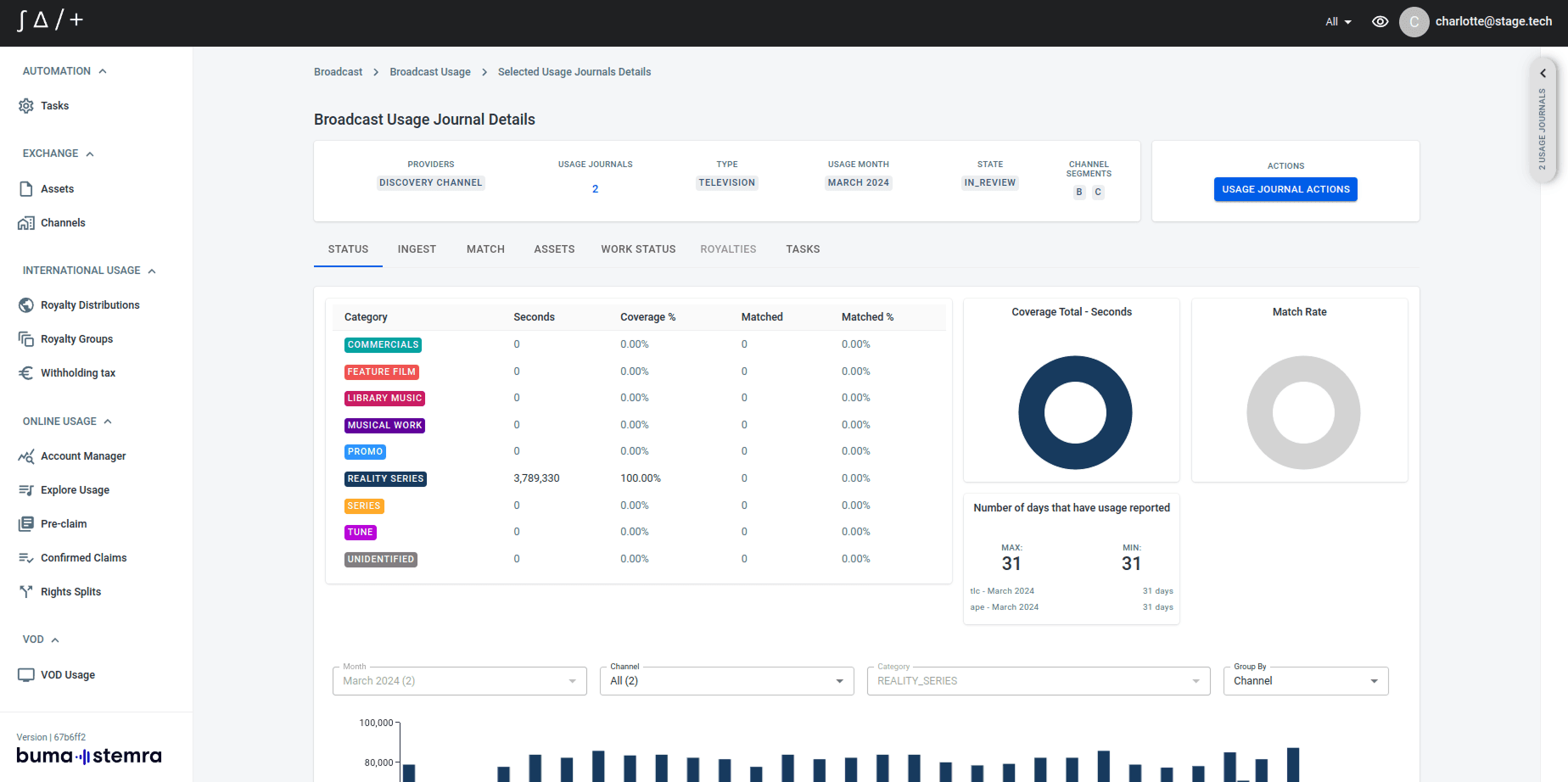
SALT Royalties focuses on one of the most demanding parts of that journey. It ingests extremely large volumes of usage data, matches that activity to the correct rights holders and supports the accurate distribution of royalties.
The underlying process varies across royalty streams, countries, societies and rights models. The platform has to accommodate that nuance without allowing the interface itself to become difficult to navigate.
Complexity made understandable
The aim is not to make a complicated domain appear simple.
Music royalties are genuinely complex. The work instead focuses on presenting that complexity clearly, helping users understand where they are, what they are looking at and what needs to happen next.
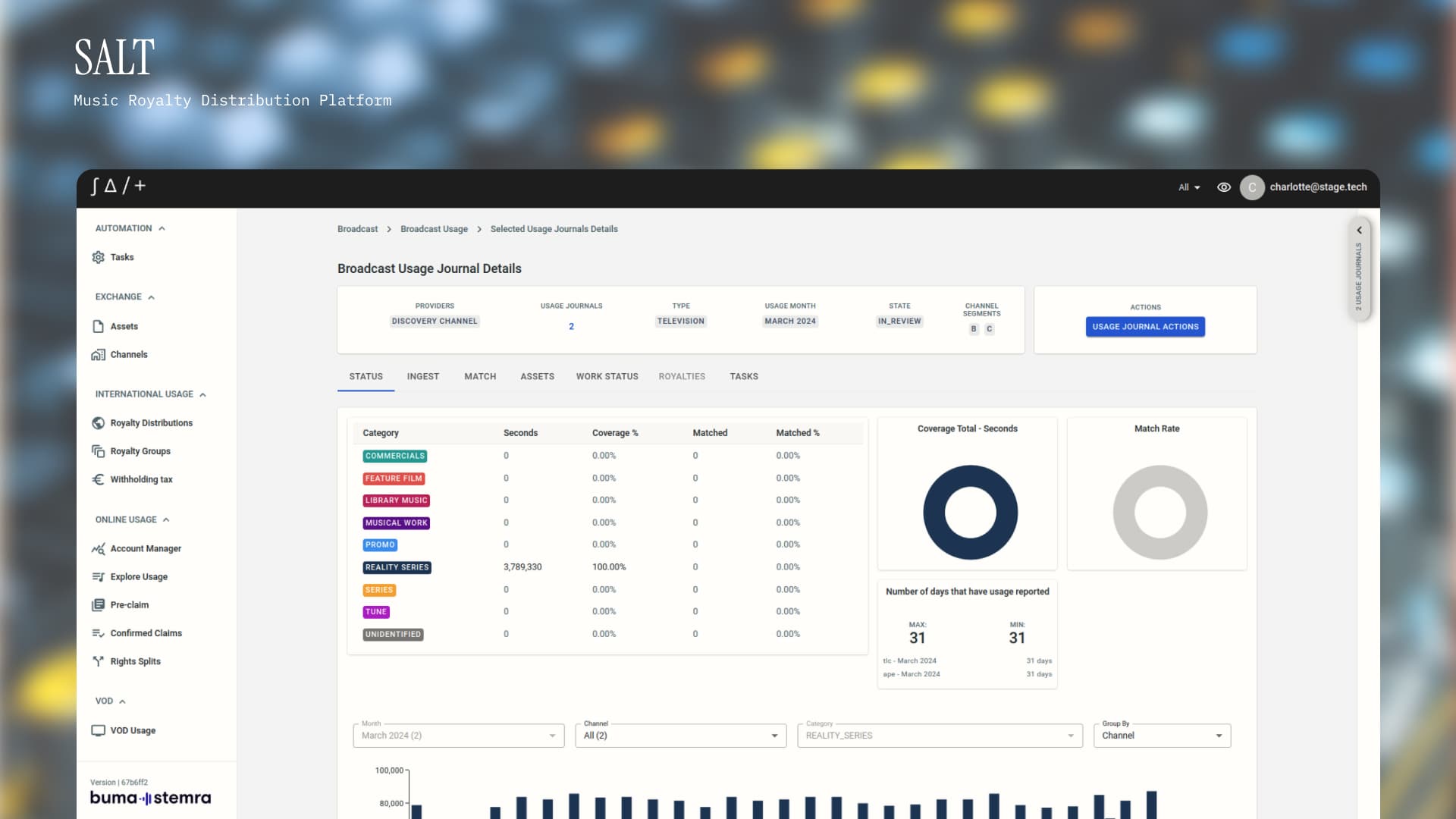
Consistent patterns, careful hierarchy and clear system feedback allow users to work with large amounts of information without having to relearn the interface from one area of the product to another.
Building for growth
SALT Royalties began with BumaStemra as its first user. As the platform expanded to support multiple organisations, including ZAiKS, Warner Chappell and MassiveMusic, the design challenge changed.
Designing for one organisation is different from designing for many.
The product could no longer rely on solutions shaped around a single client's workflow. Its interface, platform architecture and team processes had to become flexible enough to support different organisations without introducing a separate version of the product for each one.
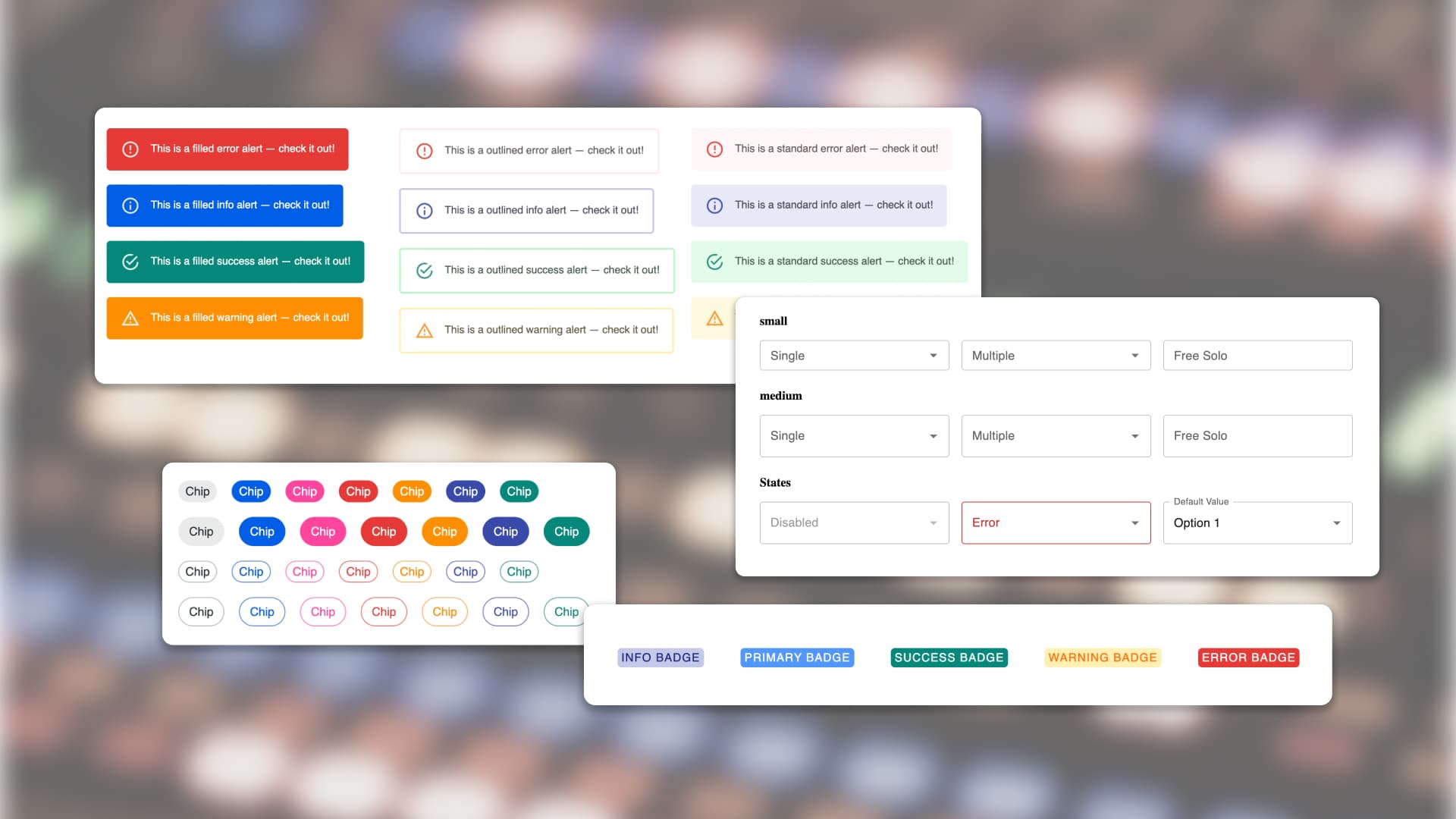
This required a shift from solving individual screens to creating systems. Reusable patterns, shared behaviours and a more scalable workflow now provide a foundation for new features and future clients.
Principles
Design for systems, not screens
Individual screens will change as the product grows. The patterns behind them need to remain useful.
New work should strengthen the wider product rather than introduce another exception.
Complexity belongs in the model
The industry is complicated enough. The interface should organise that complexity rather than add to it.
The goal is not to conceal nuance, but to present it in a form that people can understand and act on.
Scale should feel invisible
Supporting several organisations should not make the experience feel fragmented.
Different workflows can exist within a consistent product, allowing each society to work in a way that suits them without losing the familiarity of the wider system.
Consistency builds confidence
Predictable behaviour allows users to focus on royalties rather than the software.
Shared patterns reduce uncertainty, particularly across a platform with many pages, processes and states.
Design continues after implementation
The work does not end when a feature is built.
Close collaboration with engineering, QA and client teams allows the product to keep improving as new requirements, edge cases and real-world behaviours emerge.
Design as collaboration
The interface is shaped through ongoing collaboration across the team.
Regular UI workshops provide a space to explore problems collectively before committing to solutions. These sessions bring together domain knowledge, technical constraints and different perspectives from across the product.
Close work with the QA team has also helped bring testing and early failure warnings into the delivery pipeline. This makes problems easier to identify before they reach users and supports a more resilient product as its scale increases.
Reporting dashboards have also been created for client-facing teams, giving them clearer visibility of platform activity and helping them support the societies using SALT.
Reflection
SALT changed the way I think about interfaces.
The most valuable work rarely happens while refining an individual screen. It often begins by stepping back and asking whether the system itself can become clearer.
Many of the product's strongest improvements came from reconsidering patterns that affected dozens of features, rather than polishing a single interaction in isolation.